Last updated 2026-07-25
TL;DR
When a resort closes, your deed obligation usually doesn't disappear, the HOA or a successor entity often keeps billing maintenance fees even on a shuttered property. Check your deed for a reversion clause, contact your state attorney general's consumer protection office, and never pay large upfront fees to a company promising fast results with no explanation of the work involved.
what happens to my timeshare if the resort closes?
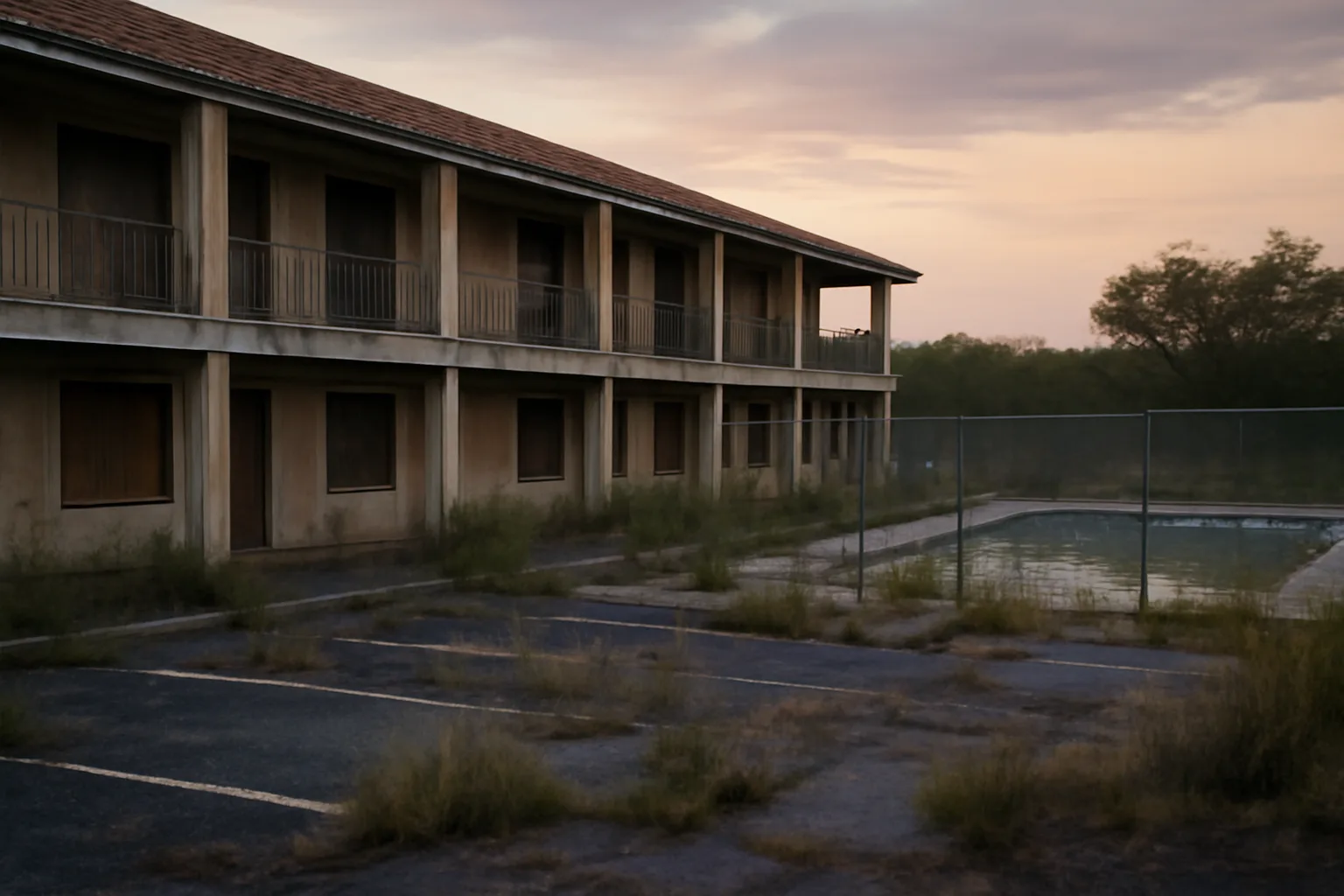
A resort closing does not automatically erase your ownership or your obligation to pay. Timeshares are usually real estate interests (deeded weeks) or contractual "right to use" arrangements, and in both cases the closing of the physical building doesn't by itself terminate the legal instrument that ties you to it. The homeowners association (HOA) governing the property often survives the closure, at least on paper, and can keep assessing maintenance fees or special assessments to cover demolition, remediation, insurance, or legal costs even after guests stop staying there. Why does this happen? Most timeshare declarations and bylaws don't include a clean "resort ceases to exist, obligations end" clause. Instead they anticipate ongoing common-area upkeep, reserve funding, and insurance, and the association board (sometimes still controlled by the developer, sometimes owner-elected) has authority to levy assessments to handle whatever situation arises, including storm damage, condemnation, or a decision to sell the land. The Consumer Financial Protection Bureau notes that timeshare agreements are legally binding contracts and that owners "may be responsible for fees even if you don't use the timeshare" [1]. If the resort was damaged by a hurricane or wildfire and is being torn down rather than rebuilt, read your declaration's casualty and condemnation provisions closely. Some declarations do allow for termination and a wind-down of the association if a supermajority of owners votes to terminate, but that requires organized owner action, not something that happens by default just because the building is gone.
do I still owe maintenance fees on a closed resort?
Often yes, at least until the association is formally dissolved or the deed is legally extinguished. Fee obligations attach to the ownership interest itself (the deed or membership contract), not to whether the unit is usable. If the HOA is still functioning as a legal entity, and if your name is still on the deed, expect continued billing, and expect it to go to collections or a lien if you stop paying. This is one of the ugliest surprises in timeshare ownership: a fire-damaged or storm-destroyed resort that never reopens can still generate maintenance fee invoices for years while litigation, insurance claims, or teardown decisions drag on. Some large timeshare companies have wound down specific closed properties by relocating owners into a points-based system or a different resort in the same portfolio, but that's a business decision by the developer, not something you can count on happening for your property. Do not simply stop paying without understanding the consequences. Unpaid timeshare fees can lead to a lien on the deeded interest, damage to your credit if the debt is reported, and in some states personal liability beyond the value of the timeshare itself. If you believe fees are being charged improperly for a property that no longer functions, that is a fact pattern worth raising with your state attorney general's consumer protection division, not something to resolve by ignoring the bill.
can a closed resort's HOA still put a lien on my deed?
Yes. As long as the association exists as a legal entity and your deed is recorded, unpaid assessments typically create a lien under the association's governing documents and state condominium or timeshare law, the same as they would for an operating resort. The lien attaches to the real property interest, meaning it can follow the deed even if you try to give it away or if you die and it passes to an heir. Some states have specific timeshare statutes spelling out lien and foreclosure procedure for delinquent assessments; check your state's timeshare act (often part of the state's real estate or condominium code) for the exact mechanics. Florida, for example, regulates timeshare liens and foreclosure under its Vacation Plan and Timesharing Act [2]. If a resort is closed and derelict, and the association is not maintaining anything, some owners try to argue the association has abandoned its purpose. That is a legal argument for a real estate attorney to evaluate in your specific state, not something to assume protects you by default.
how do I find out if my resort is closing or already closed?
Start with the association's annual meeting notices and financial disclosures, which most timeshare HOAs are required to send owners under state law. If you've stopped receiving these, or if the management company phone line is disconnected, that's a signal worth investigating directly rather than assuming the worst or the best. Check your state's real estate division or timeshare regulator; several states require timeshare developers and managers to be registered, and a resort closure or receivership sometimes shows up in public regulatory filings. If the property is deeded, you can also check the county recorder or clerk of court where the resort sits for any recorded notices of foreclosure, receivership, or association dissolution. If the resort was part of a larger branded system (a major hotel or vacation club chain), the parent company's owner services line is a legitimate first call, better than any third party claiming special access to closure information.
what should I do if my timeshare resort just closed?
First, get the closure in writing. Ask the association or management company for a formal explanation of what closed, why, and what happens to owner obligations going forward. Verbal reassurances from a call center are not useful later if a dispute arises. Second, check your deed and the original public offering statement for any reversion or termination clause. Some declarations include a plan for what happens to ownership interests if the resort is condemned, destroyed, or the HOA dissolves; read that section specifically rather than the whole document. Third, if you are still inside your state's rescission window because you just purchased and the resort closed almost immediately, confirm your state's rescission window and cancel in writing following your state's exact procedure; this is usually your fastest, cleanest, cheapest way out and doesn't depend on the resort's condition at all. See how to get out of a timeshare for the rescission process by state. Fourth, if you're past rescission and want out permanently, look at deed-back programs or a legitimate transfer, understanding that most developers won't take back a deed tied to a resort that no longer physically exists or is under litigation. If the deed-back is refused, a real estate attorney licensed in the state where the resort sits can advise on quiet title or association dissolution options specific to your case.
are timeshares scams?
Timeshares themselves are legal financial products, regulated by state real estate law, and millions of people own them without incident. But the industry has a real and well-documented problem with high-pressure sales tactics, and a separate, serious problem with exit scams that target owners who already regret buying. The Federal Trade Commission has brought enforcement actions against timeshare exit companies for taking large upfront fees, sometimes thousands of dollars, and failing to deliver promised cancellations [3]. In one case, the FTC and the state of Missouri sued the operators of a timeshare exit company called Timeshare Exit Team, alleging the company took upfront fees from consumers while failing to get them out of their contracts as promised [3]. The honest answer: the timeshare product is not inherently a scam, but the resale and exit market around it is loaded with bad actors. Be skeptical of anyone who cold-calls you claiming a buyer is "already lined up" for your unit, or anyone who demands a large payment before doing any work. See our guide on timeshare exit companies for how to vet a legitimate one, and read our timeshare call list piece before answering an unsolicited pitch about your specific closed resort.
how much do timeshares cost?
Industry data from the American Resort Development Association's State of the Vacation Timeshare Industry report has put the average purchase price of a timeshare interval in the low-to-mid twenty-thousand-dollar range in recent years, with average annual maintenance fees in the roughly $1,000 to $1,300 range. These are industry averages; luxury brands and larger unit sizes run well above that, and older or smaller-interval contracts can run below it. Maintenance fees are the number that matters most for owners of a closed or closing resort, because that's the fee that keeps coming whether or not you can actually use the property. Fees also tend to rise faster than general inflation in many associations because of aging infrastructure, insurance cost spikes in coastal and wildfire-prone states, and special assessments after storm damage. If you're deciding whether to fight to keep a deed at a closed resort or try to exit, run the math: total remaining fee obligations plus special assessment risk, versus the cost and hassle of exiting through deed-back, resale, or legal help. For most owners of a closed or dying resort, the fee side of that equation only gets worse with time, not better.
how do you get out of a timeshare tied to a closed resort?
There is no single button to press, and no company can legally promise a specific outcome, but there is a real order of operations that gives you the best odds. 1. Confirm your state's rescission window first if you bought recently; this is the cheapest and fastest exit and it does not require the resort to be operational at all [1]. 2. Read your declaration and deed for a termination, casualty, or condemnation clause that specifically addresses what happens if the resort ceases operating. 3. Contact the HOA or its receiver/successor in writing and ask directly whether a deed-back or surrender program exists for owners at the closed property; some developers will take a deed back for free specifically to reduce their own liability once a resort has become a financial and legal headache. 4. If deed-back is refused and you believe fees are being charged for a resort that doesn't functionally exist, file a complaint with your state attorney general's consumer protection office and the state agency that regulates timeshares or real estate. 5. Consider a licensed real estate attorney for quiet title or association dissolution options if the deed truly cannot be resolved through the association. At no point in this process should you send an upfront fee of several thousand dollars to a company that contacted you first promising results before doing any actual work. That pattern matches almost exactly what the FTC has sued over in multiple cases [3].
how do I sell a timeshare at a resort that's closing?
Realistically, you can't sell a deeded week at a resort that has closed or is closing; there is essentially no resale market for that. Buyers, even bargain hunters, want a usable property, and a shuttered or condemned resort has negative resale value in almost every case. If the resort is merely rumored to be struggling (declining maintenance, deferred repairs, an association in financial distress) but still operating, you can attempt a resale through a licensed timeshare resale broker or a owner-to-owner marketplace, but be honest in your listing about the property's condition; misrepresenting a distressed resort to a buyer creates its own legal exposure. Beware of "we'll sell it for you" pitches that require an upfront listing fee, especially for a property that's closed. Legitimate resale brokers typically work on commission after a sale closes.
what are my options besides fighting the HOA or selling?
If the resort is closed and neither resale nor a developer deed-back is available, a few paths remain, each with tradeoffs. Donation: some owners try to donate a deed to a charity or family member, but most reputable charities now refuse timeshare donations because of the ongoing fee liability, and pushing an unwanted deed onto an heir just relocates the problem rather than solving it. Deed transfer companies: a licensed closing or title company can process a legitimate transfer if you find any willing recipient, but again, virtually nobody wants a deed at a closed resort for free, let alone for money. Association dissolution: if enough owners organize, some state timeshare statutes allow a supermajority vote to terminate the timeshare plan and dissolve the association, winding down obligations formally rather than leaving deeds in limbo indefinitely. This takes real coordination among owners and often legal counsel, but it's the only mechanism that actually ends the underlying instrument rather than just changing who holds it. Our alternatives hub compares donation, transfer, and rental options in more depth if you want to weigh them side by side before deciding.
how do exit companies target owners of closed resorts specifically?
Owners of a closed or distressed resort are an especially attractive target for scam exit companies because fear and frustration are already high, and the owner is primed to believe almost anything that promises relief. Common tactics include claiming a "class action" is already underway against the resort (rarely true, and even if a suit exists, it doesn't automatically cancel your obligations), or claiming an inside relationship with the developer that lets them negotiate a special deed-back for a large upfront fee. The FTC has warned consumers to be wary of any company that asks for money before providing services and to verify a company's standing before signing anything; in its own words, the agency has cautioned that people considering a timeshare exit or resale offer should "check out the company" first and be suspicious of upfront fee demands [4]. Your state attorney general's office is also a legitimate, free resource to check whether a company has open complaints against it; state consumer protection offices can be located through the National Association of Attorneys General directory. A reasonable rule: any legitimate exit path (rescission, deed-back, attorney-assisted dissolution) can be explained to you clearly, in writing, without demanding a large payment upfront before any work has been done.
when does it make sense to get professional or legal help?
If the resort is fully closed, the HOA is unresponsive, and fees keep accruing, that's usually the point to bring in a real estate attorney licensed in the state where the property sits, especially if a lien has already been filed or foreclosure has started. Attorneys can evaluate quiet title actions, association dissolution options, and whether the declaration's casualty clauses actually apply to your situation. If you just want organized paperwork, template letters for rescission or deed-back requests, and a clear checklist to keep yourself from getting scammed while you sort out next steps, that's a lighter-weight starting point before paying attorney hourly rates. ExitHonest's $149 one-time Exit Kit is built for exactly that stage: understanding your options and drafting your own request letters, not a service that promises a specific legal outcome and not a substitute for an attorney once liens or litigation are involved. Whichever path you take, keep every piece of correspondence with the HOA, management company, or any company you hire, and don't sign anything that asks for a large payment before describing exactly what will be done, by whom, and by when.
Frequently asked questions
How do I get out of a timeshare after the resort has closed?
Start by confirming your state's rescission window if you recently purchased; that's the fastest legal exit and doesn't depend on the resort operating. If you're past that window, check your deed for a termination clause, ask the HOA about a deed-back, and contact your state attorney general's consumer office if fees continue on a nonfunctional property.
How do you get out of a timeshare if you can't afford the fees anymore?
Don't simply stop paying, that risks a lien or collections. Ask the developer about a deed-back or surrender program first, since many will take a deed for free to avoid their own liability. If that fails, a licensed real estate attorney can advise on options specific to your state and contract.
How to sell a timeshare at a resort that's closing or already closed?
You generally can't. Closed or distressed resorts have essentially no resale market because buyers want a usable property. Avoid any company charging an upfront fee to "sell" a deed at a shuttered resort; that pattern matches known scam complaints tracked by the FTC and state attorneys general.
How to get rid of a timeshare that's tied up in an association dissolution?
If enough owners organize, some state timeshare statutes allow a supermajority vote to formally terminate the plan and dissolve the association, which actually ends the obligation rather than just moving it. This requires owner coordination and usually legal counsel; it isn't something one owner can trigger alone.
Are timeshares scams?
The timeshare product itself is a legal, regulated real estate or contract interest, not inherently a scam. The bigger risk is in the exit and resale market around timeshares, where the FTC has sued companies for taking large upfront fees and failing to deliver promised cancellations.
How much do timeshares cost?
Industry data from ARDA has put average timeshare purchase prices in the low-to-mid twenty-thousand-dollar range and average annual maintenance fees around $1,000 to $1,300 in recent reporting years, though luxury properties and larger units run well above that and older or smaller contracts run below it. Fees typically rise over time.
Do I still owe maintenance fees if my timeshare resort closed?
Usually yes, until the association is formally dissolved or your deed is legally resolved. Fee obligations attach to the deed or contract itself, not to whether the resort is usable, so a closed resort's HOA can often keep billing owners for insurance, legal, or teardown costs.
Can a closed resort still put a lien on my deed?
Yes, as long as the association legally exists and your deed is recorded, unpaid assessments typically create a lien under the association's governing documents and state timeshare or condominium law, the same as at an operating resort.
How do I find out if my timeshare resort is closing?
Check for missing annual meeting notices or disconnected management phone lines, search your state's real estate or timeshare regulator for filings, and check the county recorder where the resort sits for foreclosure, receivership, or dissolution notices.
What's the difference between a deed-back and rescission for a closed resort?
Rescission cancels a very recent purchase within your state's short legal window, no resort condition required. A deed-back is a separate, later request asking the developer or HOA to take an existing deed back, which they may refuse, especially for a resort with legal or physical problems.
How much should I pay an exit company to get out of a timeshare?
Be very cautious of any large upfront fee. The FTC has sued timeshare exit companies for collecting thousands of dollars upfront and failing to deliver cancellations. Verify licensing and complaint history with your state attorney general before paying anyone.
Can I just stop paying maintenance fees if the resort is closed?
That's risky. Unpaid fees can lead to a lien on your deed, collections activity, and credit damage, even if the resort itself is closed. If you believe fees are being charged improperly, raise it with your state attorney general's consumer protection office rather than simply stopping payment.
Sources
- Consumer Financial Protection Bureau, timeshare ownership guidance: Timeshare agreements are binding contracts and owners may owe fees regardless of use
- Florida Statutes, Chapter 721, Vacation Plan and Timesharing Act: Florida regulates timeshare lien and foreclosure procedure under Chapter 721
- Federal Trade Commission and State of Missouri v. Timeshare Exit Team (Reed Hein & Associates, LLC), Case No. 2:19-cv-00423, W.D. Wash.: FTC has sued timeshare exit companies for collecting upfront fees without delivering promised cancellations
- FTC Consumer Advice, timeshare resale and exit scam warning signs: Upfront fees for promised timeshare resales and exits are a commonly reported complaint pattern
- IRS Publication 544: Tax implications of abandoning or disposing of a timeshare interest, relevant to owners trying to exit a timeshare at a closed resort